Skip to content

Category

Water savings

Articles on how to cut water consumption and water costs in medium and large operations, with method and measurable results.

Water savings in shopping centres: how to cut costs and improve efficiency

In a shopping centre studied by the Federal University of Espírito Santo, the cooling tower, restaurants and toilets took 76% of the water, and half of consumption went to uses that do not need drinking water. See where to cut in each, how much reuse, rain and air-conditioning condensate can cover and how to measure the result.

9 min

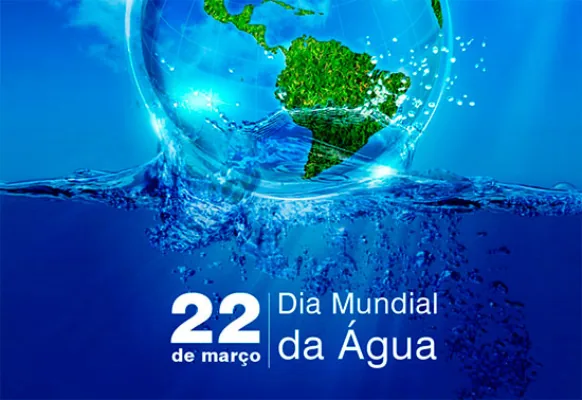
World Water Day: 7 actions for your company on 22 March

World Water Day has been celebrated on 22 March since 1993, by decision of the UN General Assembly. See how the day began, the themes from 2024 to 2026 and 7 practical actions for a company to make the most of it, from reading the meter overnight to an internal campaign, and keep saving on the other 364 days.

5 min

Water savings in hotels: 9 measures that keep guests comfortable

In a hotel, water goes to guest bathrooms, the laundry, the kitchen, the garden and air conditioning. See how much each use weighs, the 9 measures that save water without touching comfort, the hotel that cut consumption per occupied room by 35% and how to measure the result.

9 min

Water waste: the 4 hidden culprits nobody sees and how to stop them

Brazil lost 39.53% of its treated water in distribution in 2024, and inside companies the waste continues through four culprits that do not show to the naked eye: hidden leaks, unadjusted equipment, uncontrolled processes and lack of metering. See how much each one uses, where it hides in each sector and how to cut it.

10 min

Why is water so vital? Facts about water that will surprise you

Water is vital because every form of life depends on it, the human body is up to 60% water and there is no economy without it. And it is scarcer than it looks: only 2.5% of Earth's water is fresh, and almost 70% of that is frozen. See 10 facts about water that will surprise you, what they mean for Brazil and the role of companies.

7 min

How to save water: 15 tips and how many litres each habit uses

To save water, start with what uses a lot in little time: long showers, an open hose, a tap running over the dishes and leaks. Here are 15 tips for home and work, with how many litres each habit uses, and what changes when the bill belongs to a company.

10 min

Water reuse and saving laws in Brazil: what is mandatory for companies

Brazil has no single water saving law: the rules are spread across the Water Law, the Sanitation Framework, Law 14,546/2023, individual metering, the reuse resolutions and municipal laws. See what each one says, what is an obligation and what is only an incentive, and the checklist for a company to stay compliant.

8 min

Water savings in universities: the São Paulo campus method that cut 52%

The University of São Paulo's water conservation programme cut the monthly water demand of its main campus by 52% between 1998 and 2014. See how it was set up, where it started, what it did in the laboratories, how it meters each building and how much each type of unit saved.

10 min

Water savings in restaurants: the valve using nearly a third of the kitchen's water

In a commercial kitchen, the spray valve that rinses leftovers off plates before washing can take nearly a third of the water. See how much it uses, how to choose a new one, the other 9 measures that save the most, from floors to ice, and how a bistro in Rio de Janeiro state cut consumption by 35%.

9 min

Water savings in agribusiness: how to irrigate with less water without losing yield

Irrigated agriculture is the largest use of water withdrawn in Brazil. See how much of the water each irrigation method delivers to the crop, why management matters more than equipment, what each point of efficiency is worth per hectare and how to save water in livestock farming and agro-industry.

10 min

Virtual water and water footprint: why 1 kg of beef takes 15,400 litres

Virtual water is the water used to make a product that does not show in the product. See what a water footprint is, the difference between blue, green and grey water, how much water lies behind beef, coffee and bread, and how a company calculates and reduces its own.

9 min

Water saving awareness: why a campaign on its own is not enough

In the 2014 crisis, São Paulo ran campaigns on TV, door to door and in training courses, and gave a discount to those who saved water. It worked for most, but a year later some consumers were still above their average. See what Brazil's environmental education law says about companies, why a campaign alone is not enough, the 7 steps that work and ready-made notice templates.

7 min

Water crisis and companies: the tariff that doubled and 4 more consequences

In the 2014 and 2015 crisis, São Paulo's water utility charged up to 100% more on the water tariff to those who exceeded their average, industries and businesses included. See the five consequences of a water crisis for companies, from the water bill to the electricity bill, and the contingency plan that keeps the operation running.

10 min

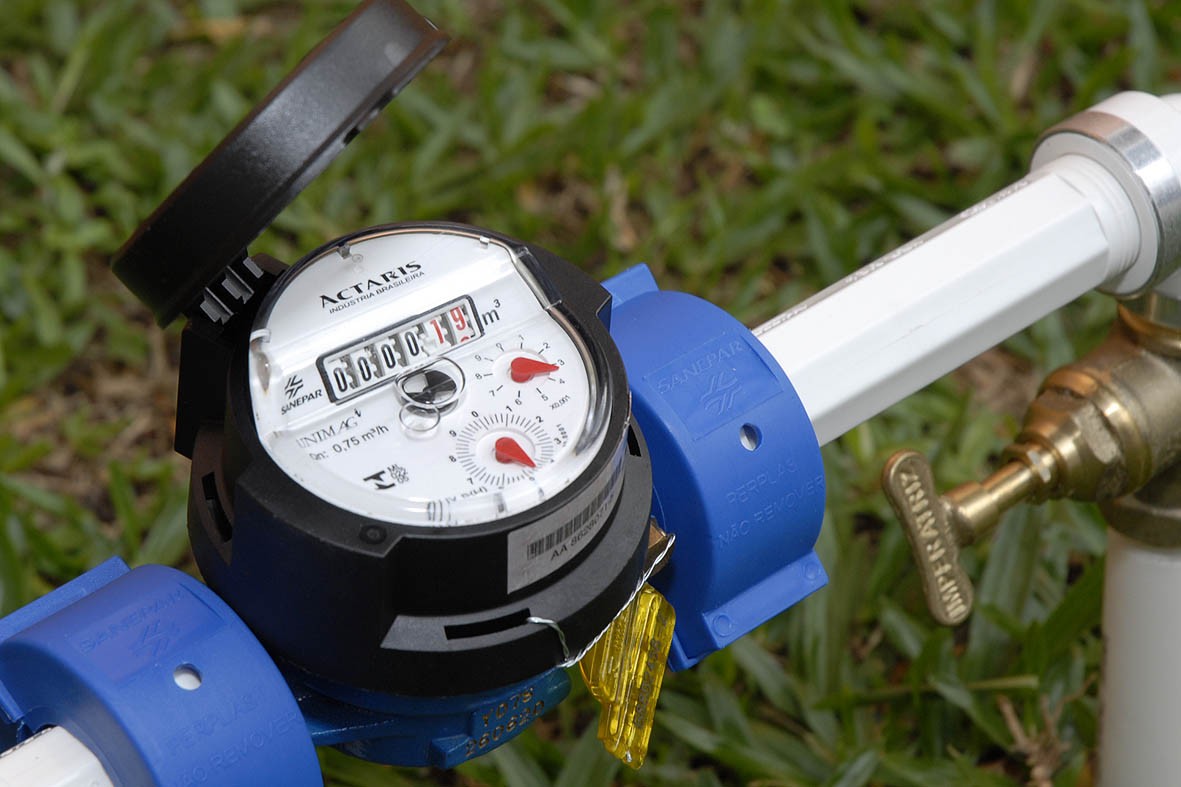
Water bill: how to read every line and spot the wrong charge

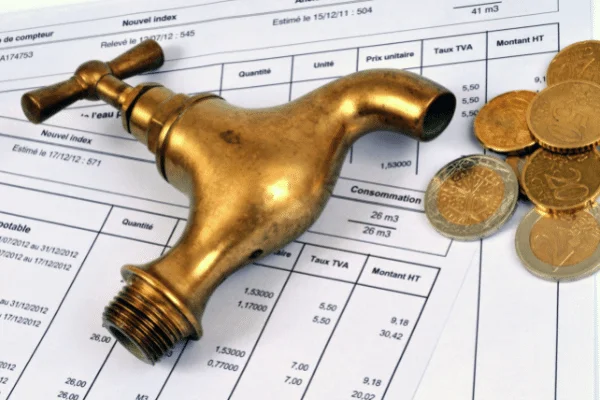
A water bill has four blocks: connection details, metering, billing and history. See what each line means, how to work out consumption, how the tariff works by category, billing units and bands, and which errors show up most on a company's bill.

10 min

4 SDGs linked to saving water

Four of the UN Sustainable Development Goals touch a company's water use directly: SDG 6, on water and sanitation, SDG 9, on industry and infrastructure, SDG 12, on responsible consumption and production, and SDG 13, on climate. See the targets of each, where the world and Brazil stand and how a company contributes and proves the result.

7 min
Water use charges in Brazil: who pays for river and well water

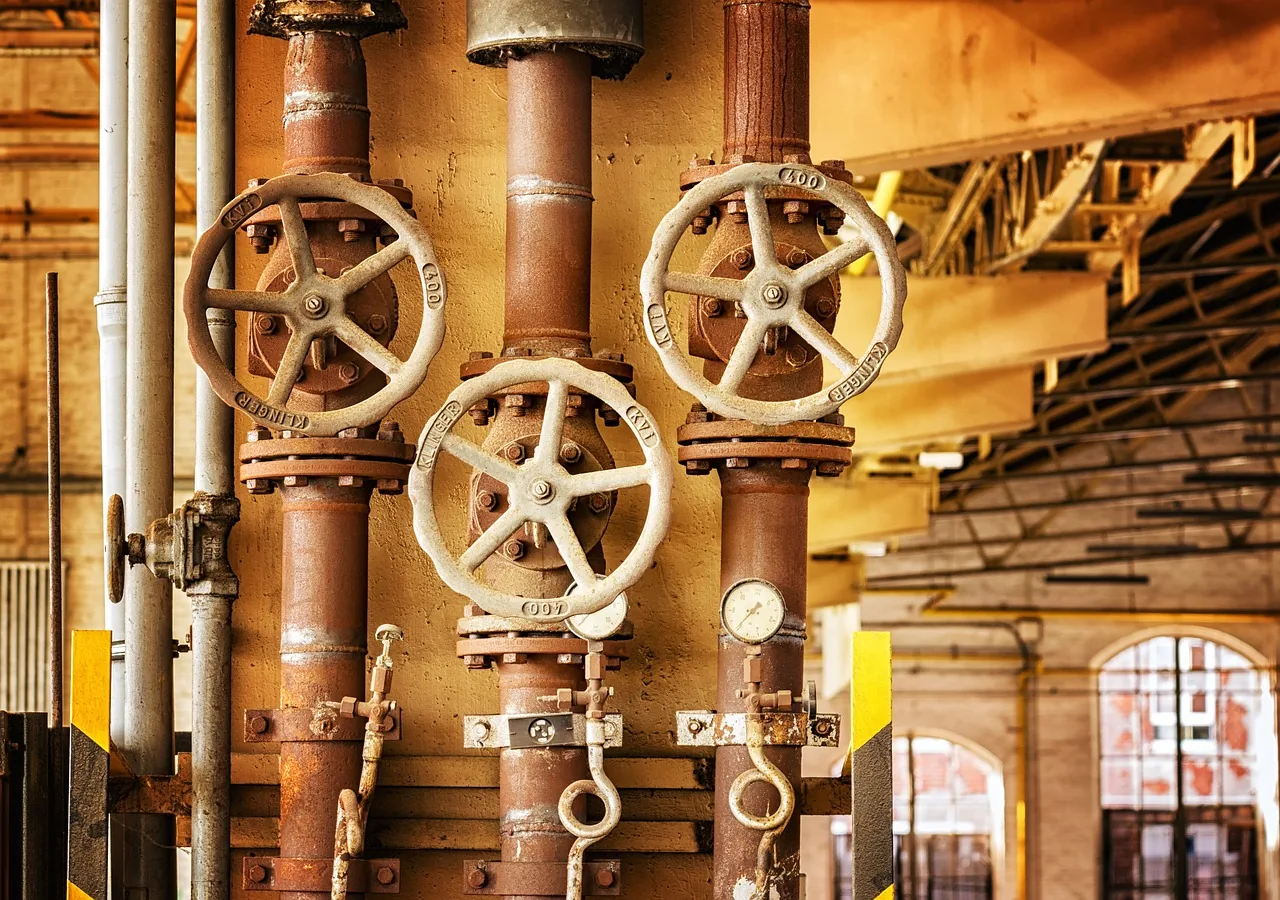
River and well water is not free: anyone who abstracts water or discharges effluent directly into a water body, under a permit, pays for using a public good. See what Brazil's water use charge is, who pays, where it applies, how it is calculated, how it differs from the utility bill and how a company can pay less.

9 min

Water savings in supermarkets: 10 tips by department, from produce to butchery

In a supermarket, each department uses water differently: produce washes and mists, the butchery and fish counter wash and make ice, the bakery works like a kitchen and cleaning uses hoses. See 10 tips department by department, how to find leaks with the store closed and how to meter each area.

8 min

Water savings for businesses: a 7-step guide to using and paying less

Water savings in a company is a programme with two levers: using less water and paying less for it. Here are the 7 steps, from baseline to tariff, what each front delivers according to T&D's data and how to prove the savings under the IPMVP protocol.

12 min

Environmental compensation in Brazil: up to 0.5% of the investment

Environmental compensation is the obligation of anyone licensing a project with significant environmental impact in Brazil to support protected areas. See what the SNUC Law says, how the amount is calculated, up to 0.5% of the investment, where the money goes, the other compensations in law and why, for most companies, the best path is to cut impact at the source.

8 min

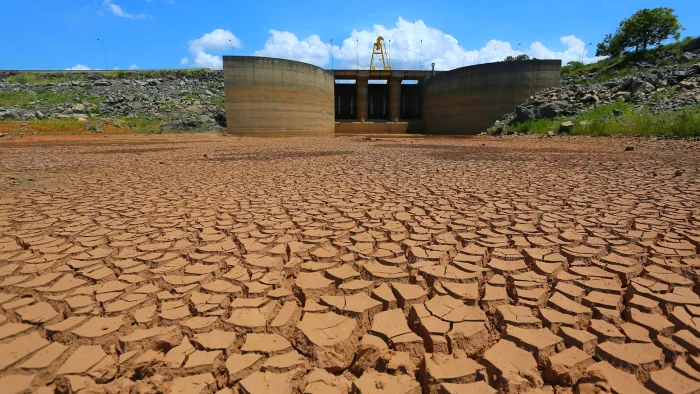
Water crisis in Brazil: what caused 2014 and 2021 and why it can return

A water crisis is when the water available cannot meet the uses that depend on it. See what happened in 2014, when the Cantareira System received a quarter of a normal year's water, and in 2021, when Brazil's water agency declared scarcity in the Paraná basin, the causes that repeat and why the risk tends to grow.

9 min

Water use by sector: irrigation takes half and industry 10%

In 2024, Brazil withdrew 2,098.7 m³/s of water from rivers and aquifers. Irrigation took 50.3%, city supply about 22% and manufacturing about 10%. See how much each sector uses, why irrigation dominates, which industries use the most water, where demand will grow and what it changes for companies.

7 min
Water losses: Brazil loses 39.53% of its treated water before the tap

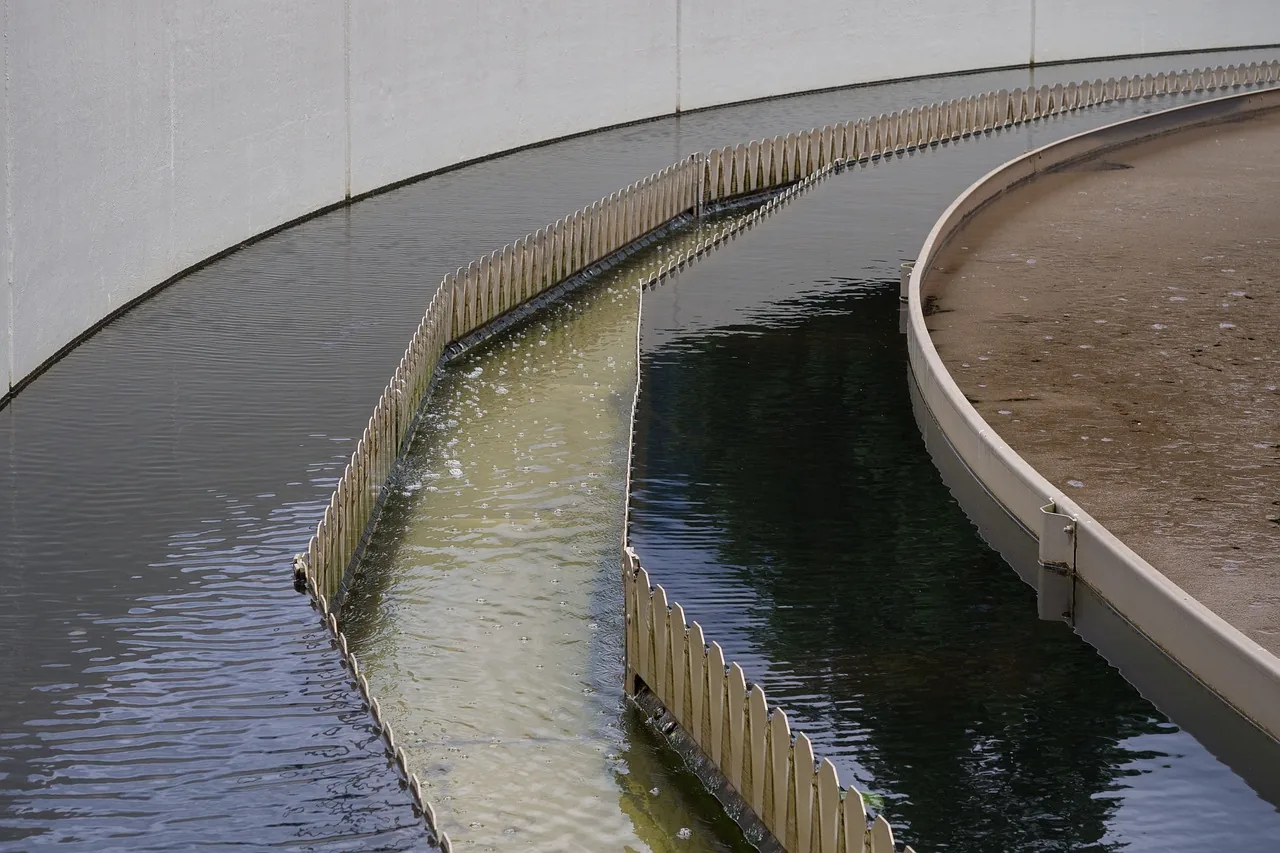
In 2024, Brazil lost 39.53% of its treated water before it reached the consumer. See how drinking water distribution works, what physical and apparent losses are, which states and cities lose the most, the targets of Ordinance 788/2024 and who pays for losses after the meter.

8 min

Sewage in Brazil: 90 million without collection and the 2033 target

About 90 million Brazilians have no sewage collection, and only 51.8% of the sewage generated is treated. See the SINISA 2024 numbers, how a treatment plant works, what happens to sewage that goes straight into rivers, the 2033 target of the Sanitation Framework and how a company's sewage is handled.

7 min

From content to practice

T&D solutions

Every solution grows out of the three pillars of sustainability: immediate financial gain, social development and environmental protection.

SEA 360º | Water Savings System

SEA 360º takes on the operation’s water management on an ongoing basis.

TDRR | Remote monitoring

24-hour telemetry on tanks, pumps and consumption, with immediate alerts for leaks, failures and out-of-pattern variations. Recommended for operations where a lack of water represents a risk.

Tariff consulting | Correcting the water utility’s billing

Brings fairness to your operation’s water billing by correcting the tariff classification applied by the water utility. Run entirely by T&D.

GCI | Individual Consumption Management

Per-unit metering for properties with several occupants. Every reading is recorded, and the reports show how much each unit consumed.

Electronic leak detection | Locating hidden leaks

Geophone surveys, thermography and hydro-pneumatic testing to find leaks in concealed pipework, without breaking walls. Recommended when the leak already exists and needs to be located and fixed quickly.

TD Edge / FluvieX | Image-based water meter monitoring

Water meter readings processed by artificial intelligence, in two modes: TD Edge, with a photo sent by a member of staff at the site, or FluvieX, with a device that captures and sends the reading on its own, without depending on anyone. Daily reports and alerts for out-of-pattern consumption in both.

HydroDesk

For companies that want to run their own water management. The company buys the equipment, its team is trained and T&D provides remote strategic support.

Free assessment

Get a free water assessment

Our team reviews your water bill and reports back the savings potential. No cost, no obligation.

  • Analysis by a water management specialist
  • Implemented with no construction work and without stopping the operation

No file chosen

With the bill in hand the assessment comes out sharper and faster. PDF or photo, up to 25 MB.

We reply within one business day. Your data is not shared with third parties.

Talk to us on WhatsApp